
The mental game of performance
Learning how to think… and when to stop thinking.
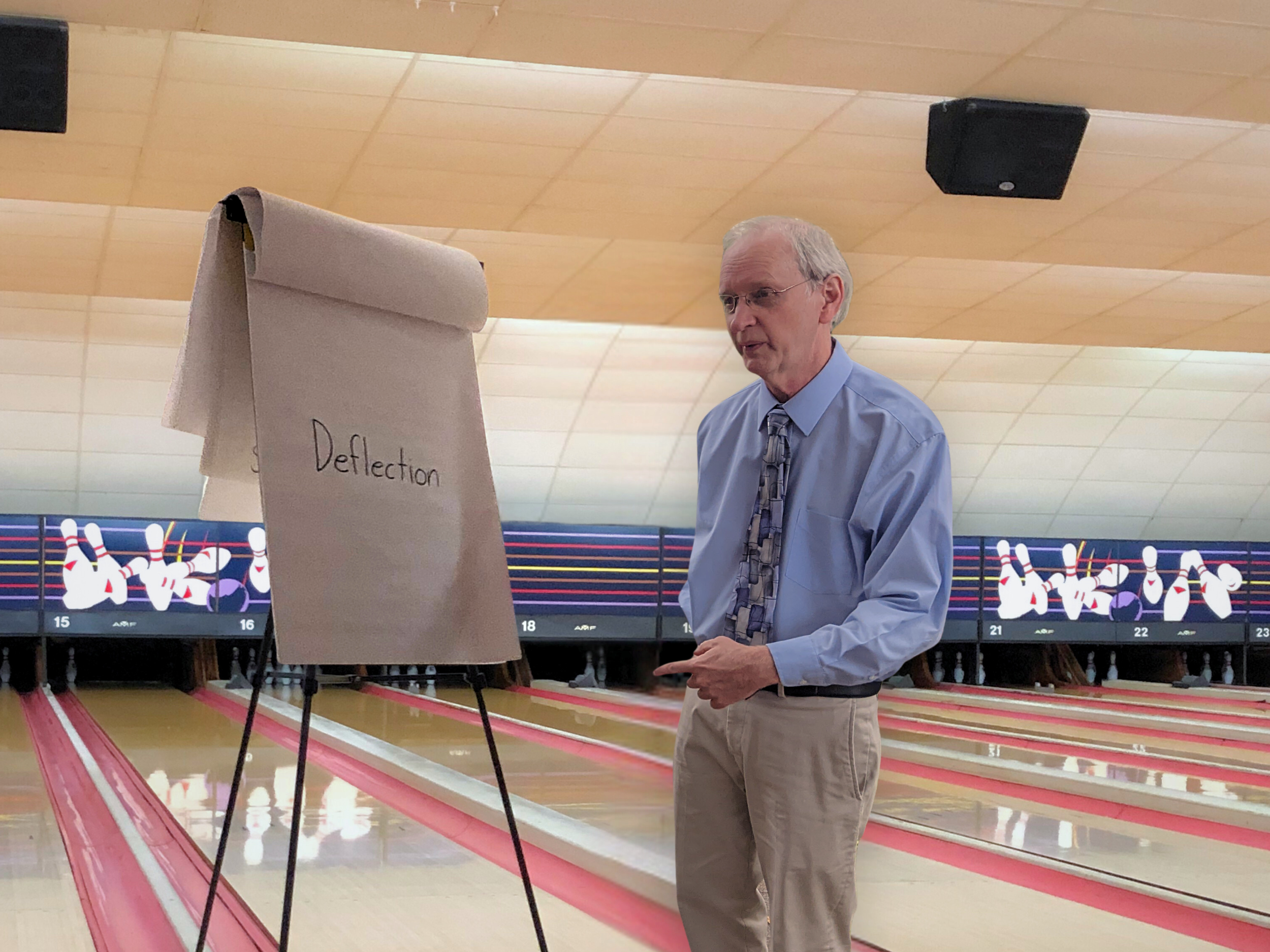
In any performance pursuit, physical talent shapes potential. Mental skills determine how fully that potential is reached.
Tom Reid’s work with the mental game grew naturally out of decades of coaching athletes who practiced hard, cared deeply, and still struggled when pressure entered the picture. Over time, he saw the same patterns repeat — across bowling, music, team sports, leadership, and everyday life.
Tom’s bowling courses always included sessions on psychological skills used by successful performers. These sessions became especially popular with Conservatory of Music students at Oberlin College, many of whom found that the mental techniques they were learning to improve their bowling were also helping them manage nerves, focus more effectively, and perform with greater confidence on the concert stage.
As interest grew, Tom was invited to present guest lectures in sport psychology courses, offering practical mental strategies to complement theoretical study. He also led campus-wide programs such as The Mental Game of Life and Imagine That: Psychological Skills for Leaders, helping participants understand how thought patterns, language, habits, and attention shape performance outcomes.
Tom’s mental game coaching has extended well beyond bowling. He has consulted with coaches in other sports, including football, on issues related to confidence, decision-making, and pressure. During fourteen years coaching youth and high school fastpitch softball players — including a state championship team — Tom worked extensively with young athletes on goal formulation, thought management, imagery, routines, teamwork, and resilience. He has also led clinics helping youth groups develop sportsmanship, focus, and self-awareness.
What distinguishes Tom’s approach is its practicality.
He does not teach motivation tricks or abstract psychology. He helps people understand:
Where thinking helps and where it interferes.

How habits form and how they change.
How language shapes belief and confidence.
How to stay present without forcing outcomes.
What does it mean to perform well here?
Whether working one-on-one or with groups, Tom is adept at shaping mental game sessions around the specific demands of a pursuit.